
Glutathione and Your Thyroid: The Master Antioxidant Behind Cellular Protection
Author: Rohan Smith | Functional Medicine Practitioner | Adelaide, SA
Quick Answer: What Is Glutathione and Why Does the Thyroid Need It?
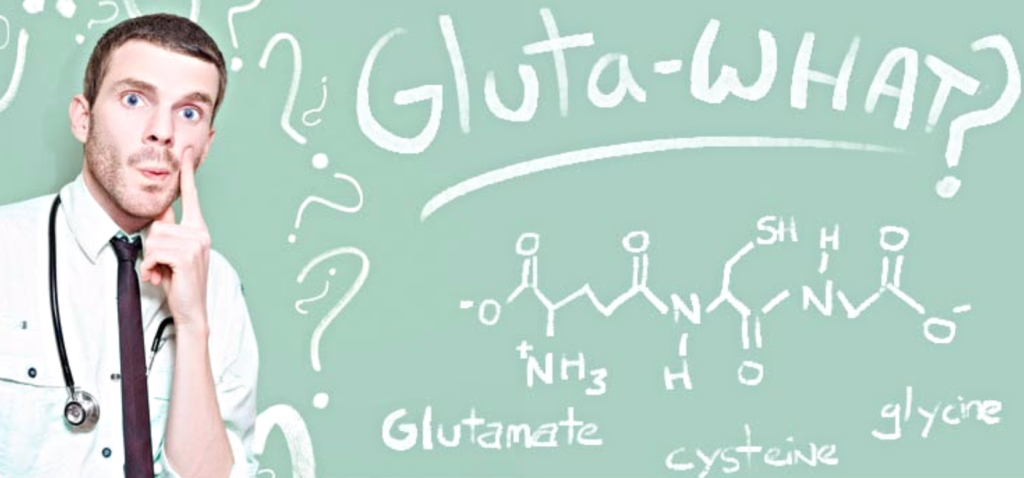
Glutathione is the body’s primary intracellular antioxidant, composed of the amino acids cysteine, glutamate, and glycine. The thyroid gland relies heavily on glutathione because thyroid hormone production requires hydrogen peroxide (H2O2)—a reactive oxidant that can damage thyroid tissue if not tightly regulated. Adequate glutathione helps neutralise excess oxidative stress and protect thyroid cells from inflammation and immune activation (1,2).
Core Concept: Oxidative Stress and Autoimmune Thyroid Disease
The thyroid is one of the most metabolically active tissues in the body. During hormone synthesis, hydrogen peroxide is generated as a necessary intermediate. When antioxidant capacity is insufficient, oxidative stress can accumulate and damage thyroid proteins, including thyroid peroxidase (TPO). This process is thought to contribute to immune recognition and the development of autoimmune thyroid disease, such as Hashimoto’s thyroiditis (1–3).
Glutathione and Immune Modulation
Reduced glutathione availability has been associated with immune dysregulation, including altered T-helper cell balance and increased inflammatory signalling. These shifts may increase the likelihood of autoimmune reactivity against thyroid tissue. Supporting glutathione status may therefore assist with immune modulation and reductions in inflammatory activity, rather than directly suppressing immune function (3,4).
Immune balance is also influenced by broader systems involved in immune regulation and inflammation, reinforcing the importance of addressing antioxidant capacity as part of a whole-system approach.
Solution: Nutrients Required for Glutathione Function
Selenium
Selenium is required for the activity of glutathione peroxidase (GPx), the enzyme that uses glutathione to neutralise hydrogen peroxide. Clinical studies have shown selenium supplementation to be associated with reductions in TPO antibody levels in autoimmune thyroiditis, likely through improved antioxidant defence (4).
Riboflavin (Vitamin B2)
Riboflavin is required for glutathione recycling via glutathione reductase. Thyroid hormone influences riboflavin activation, meaning hypothyroidism may indirectly impair glutathione regeneration (5).
Vitamin D
Vitamin D deficiency has been linked to increased oxidative stress and lower glutathione concentrations. Adequate vitamin D status may therefore support endogenous antioxidant production (6).
How Glutathione Levels Can Be Supported
Because oral glutathione is poorly absorbed in many individuals, functional strategies often focus on improving delivery or synthesis:
- Liposomal glutathione: Encapsulation improves absorption through the oral and gastrointestinal mucosa (7).
- N-Acetyl Cysteine (NAC): A well-studied precursor supplying cysteine for glutathione synthesis (8).
- Dietary cysteine sources: Eggs, garlic, onions, and high-quality whey protein provide substrates for endogenous production (9,10).
- Curcumin: Shown to activate antioxidant response elements such as Nrf2, which regulate glutathione synthesis enzymes (11,12).
Testing: Assessing Glutathione Demand
At Elemental Health and Nutrition, assessment extends beyond TSH alone and includes functional testing to understand antioxidant demand:
- Thyroid antibodies (TPO, TgAb): Indicators of immune activity against thyroid tissue.
- Gamma-glutamyl transferase (GGT): Low-normal levels may reflect limited glutathione turnover in some individuals.
- Clinical patterns: Findings such as early greying may reflect oxidative stress but are considered observational rather than diagnostic.
Next Steps
Addressing thyroid autoimmunity involves more than hormone replacement alone. Supporting antioxidant capacity, selenium status, and glutathione synthesis may form part of a comprehensive strategy aimed at reducing oxidative stress and immune activation.
Frequently Asked Questions
Does glutathione cure Hashimoto’s thyroiditis?
No. Glutathione does not cure autoimmune thyroid disease, but supporting antioxidant capacity may help reduce oxidative stress and inflammatory activity associated with thyroid autoimmunity.
Can glutathione lower thyroid antibodies?
Some studies suggest that improving antioxidant status, particularly through selenium-dependent glutathione pathways, is associated with reductions in TPO antibody levels in certain populations.
Is NAC safer than glutathione supplements?
NAC is widely studied and commonly used as a glutathione precursor. Suitability depends on individual biochemistry, medications, and clinical context.
Can I test glutathione directly?
Direct glutathione testing exists but is not always clinically practical. Indirect markers and symptom patterns are often used alongside functional assessment.
Key Insights
- Thyroid hormone synthesis generates hydrogen peroxide, increasing the need for antioxidant protection (1,2).
- Glutathione is central to protecting thyroid tissue from oxidative and immune-mediated damage (3).
- Selenium, riboflavin, and vitamin D are required for glutathione function and recycling (4–6).
- Targeted nutritional and functional strategies may support thyroid resilience in autoimmune conditions.
Take the Next Step
If you have thyroid antibodies or persistent symptoms despite “normal” blood tests, a functional assessment may help identify underlying oxidative and immune drivers.
Book a thyroid assessment with Rohan Smith at Elemental Health and Nutrition in Adelaide to explore a personalised, evidence-based approach.
References
- Sugawara M et al. Hydrogen peroxide toxicity in human thyroid cells. Autoimmunity. 1999;30(4):241-50. https://doi.org/10.3109/08916939908999846
- Valdivia A et al. Oxidative stress in thyroid hormone synthesis: a review. Endocr Rev. 2016 Jun;37(3):259-278. https://doi.org/10.1210/er.2015-1138
- Dröge W. Free radicals in the physiological control of cell function. Physiol Rev. 2002 Jan;82(1):47-95. https://doi.org/10.1152/physrev.00018.2001
- Gärtner R et al. Selenium supplementation in patients with autoimmune thyroiditis decreases thyroid peroxidase antibodies concentrations. J Clin Endocrinol Metab. 2002 Apr;87(4):1687-91. https://doi.org/10.1210/jcem.87.4.8421
- Cimino JA et al. Riboflavin and thyroid hormone interactions. J Endocrinol. 1987 Jul;114(1):117-22. https://doi.org/10.1677/joe.0.1140117
- Jain SK et al. Vitamin D deficiency is associated with low glutathione levels and increased oxidative stress in type 2 diabetic patients. Mol Cell Biochem. 2013 Jun;378(1-2):1-8. https://doi.org/10.1007/s11010-013-1593-9
- Allen J, Bradley RD. Effects of oral glutathione supplementation on systemic oxidative stress biomarkers in human volunteers. J Altern Complement Med. 2011 Sep;17(9):827-33. https://doi.org/10.1089/acm.2010.0716
- Atkuri KR et al. N-Acetylcysteine—a safe antidote for cysteine/glutathione deficiency. Curr Opin Pharmacol. 2007 Aug;7(4):355-9. https://doi.org/10.1016/j.coph.2007.04.005
- Bounous G et al. Whey proteins in cancer prevention. Cancer Lett. 1991 May 8;57(2):91-4. https://doi.org/10.1016/0304-3835(91)90072-9
- Lands LC et al. Dietary cysteine supplementation and glutathione status. J Nutr. 1999;129(7):1396-400. https://doi.org/10.1093/jn/129.7.1396
- Balogun E et al. Curcumin activates the haem oxygenase-1 gene via regulation of Nrf2 and the antioxidant-responsive element. Biochem J. 2003 May 1;371(Pt 3):887-95. https://doi.org/10.1042/BJ20021619
- Mahmoudi H et al. Curcumin and antioxidant gene regulation: a review. Phytother Res. 2019;33(5):1195-1206. https://doi.org/10.1002/ptr.6329
- Song Y et al. Oxidative stress and autoimmune thyroid disease. Front Endocrinol (Lausanne). 2018 Oct 22;9:598. https://doi.org/10.3389/fendo.2018.00598
- Rayman MP. Selenium and human health. Lancet. 2012 Mar 31;379(9822):1256-68. https://doi.org/10.1016/S0140-6736(11)61452-9
- Schomburg L. Selenium, selenoproteins and the thyroid gland: interactions in health and disease. Nat Rev Endocrinol. 2011 Oct 11;8(3):160-71. https://doi.org/10.1038/nrendo.2011.174