
The Physiology of Autistic Burnout: A Functional Medicine Perspective
Author: Rohan Smith | Functional Medicine Practitioner | Adelaide, SA
For many neurodivergent individuals, navigating a world designed around neurotypical sensory and social expectations is not only psychologically demanding—it can be biologically costly. Autistic burnout is frequently misidentified as clinical depression or simple exhaustion. From a functional medicine perspective, it is better understood as a state of systemic depletion arising from prolonged autonomic, sensory, and metabolic strain.
In clinical practice in Adelaide, this means looking beyond outward coping or “masking” behaviours and instead examining how decades of over-adaptation can dysregulate the nervous system and energy metabolism.
Quick Answer: What Is Autistic Burnout?
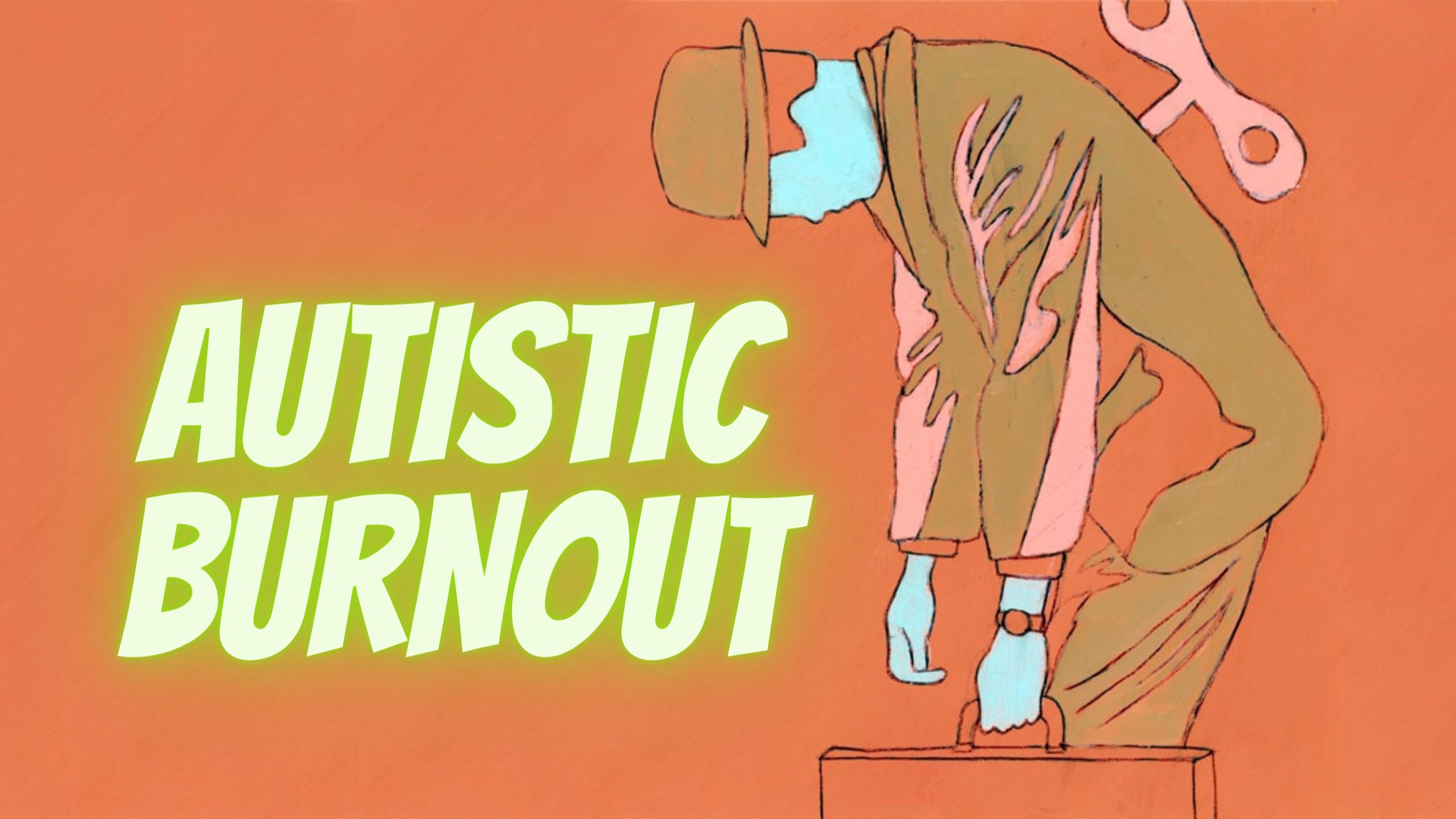
Autistic burnout is a state of pervasive physical and cognitive exhaustion, reduced tolerance to sensory input, and loss of functional capacity that develops after prolonged exposure to chronic stress in an environment that does not match an individual’s neurology (1, 2). Unlike occupational burnout, it is closely linked to sustained social masking and ongoing sensory overload.
Some researchers have proposed that autistic burnout may share features with prolonged stress-related metabolic responses, including theoretical models such as the Cell Danger Response, as well as symptom overlap with chronic fatigue and post-viral illness(3, 4). These models are considered exploratory and are not diagnostic frameworks.
Core Concept: The Metabolic Cost of Masking
Masking refers to the conscious or subconscious suppression of autistic traits in order to meet social expectations. Clinically, masking requires continuous top-down executive control, which places a high demand on glucose utilisation and cellular energy production (ATP) (5, 6).
When masking persists for years, the nervous system may remain in a state of elevated sympathetic arousal. Over time, this sustained stress response can contribute to dysregulation of the hypothalamic–pituitary–adrenal (HPA) axis. As adaptive capacity is exceeded, the brain and body may reduce output as a protective response, resulting in the functional collapse characteristic of autistic burnout (1, 7).
The Biological Drivers of Burnout
Sensory Allostatic Load
Continuous processing of high levels of sensory input can keep threat-detection circuits, including the amygdala, in a hyper-responsive state. This has been associated with elevated cortisol signalling and, in some individuals, altered cortisol responsiveness over time (8, 11).
Neuroinflammatory Signalling
Chronic psychological and sensory stress has been associated with changes in neuroimmune signalling. Under certain conditions, stress-related inflammatory mediators may influence blood–brain barrier integrity and neurotransmitter balance, particularly within GABAergic and glutamatergic systems (9, 12).
Mitochondrial and Energy Strain
Prolonged stress exposure has been associated with changes in mitochondrial function and cellular energy allocation. In theoretical models such as the Cell Danger Response, mitochondria may temporarily prioritise defence and signalling over ATP production. This may help explain commonly reported symptoms of heaviness, profound fatigue, and cognitive fog during burnout states (3, 13).
The Functional Medicine Edge: Testing for Recovery
Recovery from autistic burnout requires more than rest alone. In functional practice, the focus is on identifying physiological patterns that may be preventing the nervous system from returning to a state of safety and regulation.
- Neurotransmitter-related metabolites: An Organic Acids Test (OAT) may help identify patterns associated with oxidative stress and nutrient-dependent neurotransmitter pathways. These findings are interpreted as functional patterns rather than diagnostic markers (10, 14).
- Adrenal rhythm assessment: Evaluation of the cortisol awakening response can provide insight into stress-axis regulation and circadian signalling.
- Mineral balance: Chronic stress is associated with depletion of minerals such as magnesium and zinc. Hair Tissue Mineral Analysis may assist with pattern recognition and repletion strategies.
When to Consider a Clinical Assessment
If conventional self-care strategies do not lead to improvement, additional neuro-affirming mental health support may be warranted, particularly when individuals experience:
- Sudden or progressive loss of skills
- Increased frequency of shutdowns or meltdowns
- Persistent, severe fatigue that does not improve with sleep
- Escalating sensory sensitivities
Take the Next Step Toward Recovery
Autistic burnout does not need to be navigated alone. At Elemental Health and Nutrition, Rohan Smith provides a neuro-affirming, functional approach that focuses on restoring energy capacity and physiological resilience.
References
- Raymaker DM, et al. “Having Beaten Every Trick in the Book”: Autistic Burnout in Adult Autistic People. Autism in Adulthood. 2020.
- Higgins JP, et al. Defining Autistic Burnout through lived experience. Autism. 2021.
- Naviaux RK. Metabolic features of the cell danger response. Mitochondrion. 2014.
- Wong TL, Fisher Z. The overlap between autistic burnout and myalgic encephalomyelitis. Frontiers in Psychology. 2021.
- Miller D, et al. The costs of camouflaging: autistic burnout and mental health. Journal of Autism and Developmental Disorders. 2021.
- Hull L, et al. “Putting on my best normal”: Social camouflaging in adults on the autism spectrum. Journal of Autism and Developmental Disorders. 2017.
- Arnold SR, et al. Experiences of autistic burnout. Autism. 2023.
- Corbett BA, et al. The HPA axis response to social stress in children with autism. Hormones and Behavior. 2010.
- Theoharides TC, et al. Focal inflammation of the thalamus and hypothalamus in autism. Frontiers in Human Neuroscience. 2016.
- Rose S, et al. Mitochondrial dysfunction in autism spectrum disorder. CNS Neuroscience & Therapeutics. 2018.
- McEwen BS. Physiology and neurobiology of stress and adaptation: Central role of the brain. Physiological Reviews. 2007.
- Kern JK, et al. Evidence of neuroinflammation and mitochondrial dysfunction in autism. Journal of Neuroinflammation. 2011.
- Sinclair J, et al. Autistic burnout: A qualitative study of the phenomenon. Autism. 2022.
- Govi N, et al. Urinary organic acids in children with autism spectrum disorder. Metabolic Brain Disease. 2023.
- Pellicano E, et al. A lifespan perspective on autistic burnout. Nature Reviews Psychology. 2022.