
Inflammation & Depression: The Biological Link
Inflammation may be a driver of depression, not just a side effect. How IL-6, CRP and TNF-alpha interfere with serotonin, and which markers reveal the pattern.

Inflammation may be a driver of depression, not just a side effect. How IL-6, CRP and TNF-alpha interfere with serotonin, and which markers reveal the pattern.
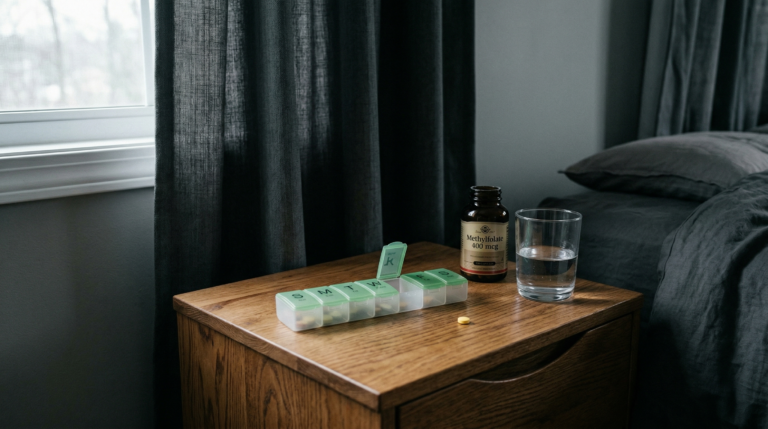
Up to a third of people don’t respond to antidepressants. How nutrient gaps, MTHFR methylation and neuroinflammation may sit behind treatment resistance.
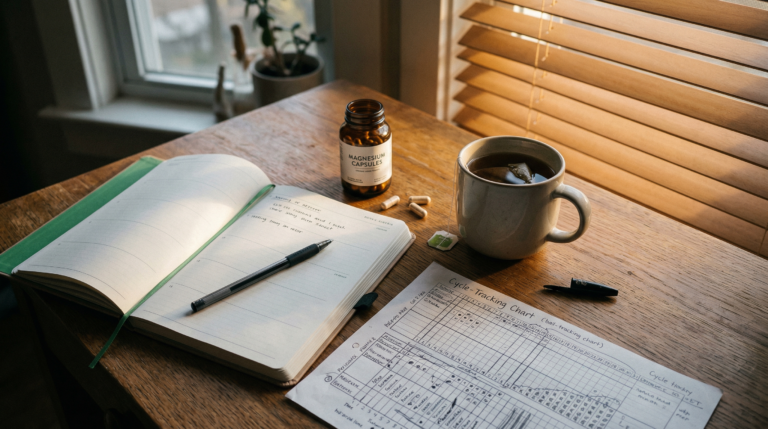
ADHD symptoms often worsen before your period. When oestrogen falls after ovulation, dopamine drops with it, sharpening brain fog, and what may steady it.

Late-diagnosed autism in adults often arrives with fatigue, sensory overload and exhaustion. How gut dysbiosis and neuroinflammation may add to the picture.

Anxiety and insomnia feed each other: cortisol blocks sleep onset, and poor sleep weakens the prefrontal control that manages worry. How to break the loop.
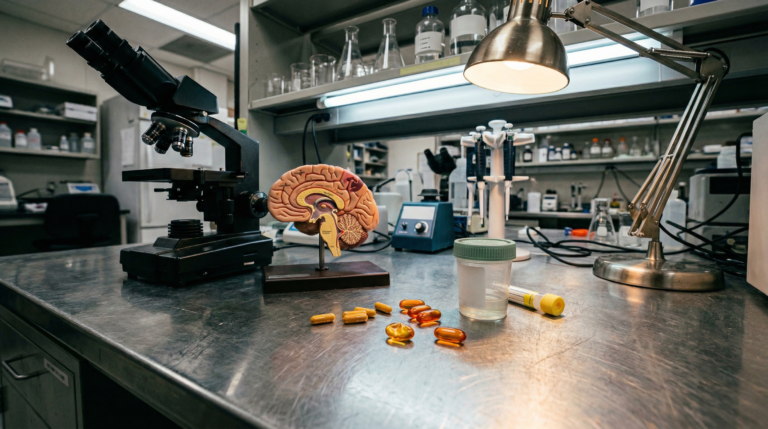
Inflammation may divert tryptophan down the kynurenine pathway, away from serotonin and toward neurotoxic metabolites. How a fired-up brain links to mood.

ADHD and chronic fatigue often travel together. How ADHD shifts circadian timing and deep sleep, leaving you unrested after a full night, and what may help.

Anxiety has a nutritional layer. Amino acids, B vitamins, magnesium and zinc build GABA and serotonin, while sugar swings tip the balance toward excitation.

Thoughts change biology through the HPA axis and autonomic nervous system. How chronic stress raises cortisol and inflammation, and which techniques help.

Music engages the auditory cortex, limbic system and dopamine pathways at once. How listening may lower cortisol, steady the nervous system and lift mood.