Nutritional Gaps Behind Treatment-Resistant Depression
Quick Answer
Treatment-resistant depression, which may affect up to one-third of people on antidepressants according to the STAR*D trial, can be associated with unaddressed nutritional deficiencies, impaired methylation via the MTHFR pathway, and chronic neuroinflammation. Because SSRIs and SNRIs recycle existing neurotransmitters rather than producing new ones, low levels of cofactors such as folate, vitamin B6, zinc, and magnesium may limit medication effectiveness.
You’ve done the “right” things. You’ve seen your doctor, tried antidepressants, and possibly cycled through several options. Yet the fog hasn’t lifted. Motivation is still low. You may feel emotionally flat, disconnected, or stuck in the same heavy internal loop despite genuine effort. This experience is disheartening–and common. Importantly, it does not mean you are broken. In many cases, it means key biological contributors have not yet been explored.
At a Glance
- The STAR*D trial found that approximately one-third of patients with major depressive disorder did not achieve remission after multiple antidepressant trials.
- Neurotransmitters such as serotonin and dopamine require cofactors including vitamin B6 (P-5-P), folate, iron, and zinc for synthesis–deficiencies may blunt antidepressant response.
- MTHFR C677T polymorphisms have been associated with increased depression risk through impaired folate metabolism and elevated homocysteine levels.
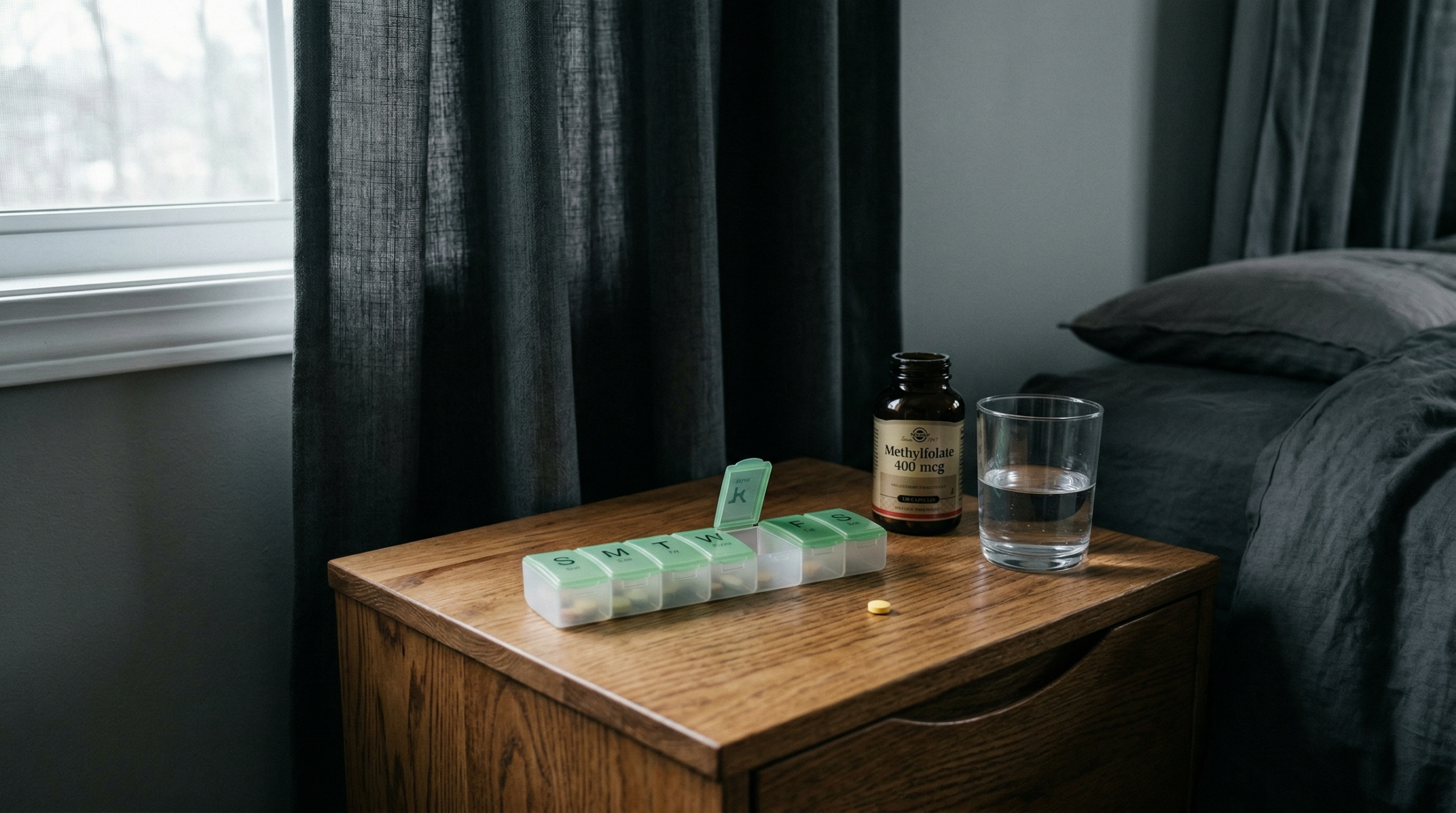
- Adjunctive L-methylfolate (15 mg/day) has been shown in randomised controlled trials to improve SSRI response in treatment-resistant depression.
- Chronic inflammation and gut-brain axis dysfunction may divert tryptophan away from serotonin production via the kynurenine pathway.
- Functional testing of methylation status, nutrient levels, and inflammatory markers can help identify modifiable contributors to treatment resistance.
When “Standard” Isn’t Enough: Understanding Treatment-Resistant Depression
The landmark STAR*D trial (Sequenced Treatment Alternatives to Relieve Depression), led by A. John Rush and published in the American Journal of Psychiatry, found that up to one-third of patients with major depressive disorder did not achieve remission after multiple adequate antidepressant trials. Treatment-resistant depression describes this pattern where depressive symptoms persist despite pharmacological intervention.
For some individuals, medications provide partial relief. For others, benefits are minimal or short-lived, often accompanied by side effects such as emotional blunting, sexual dysfunction, or weight changes. This can lead to escalating doses or medication combinations without addressing why the response is limited.
The question then becomes: what is preventing the brain from responding?
The Hidden Layer: Nutrient-Driven Brain Chemistry and Methylation
Antidepressants–including selective serotonin reuptake inhibitors (SSRIs) and serotonin-norepinephrine reuptake inhibitors (SNRIs)–primarily work by altering how neurotransmitters such as serotonin, dopamine, and norepinephrine are recycled or signalled. They do not create these neurotransmitters.
If neurotransmitter production is already compromised–due to nutrient insufficiency, impaired methylation, or chronic inflammation–medication effects may be blunted. This is commonly seen alongside immune activation and gut-brain dysfunction, where inflammatory signalling interferes with mood regulation via the gut-brain axis. Research by Yuri Milaneschi and colleagues has highlighted that inflammation can divert tryptophan metabolism toward the kynurenine pathway, reducing serotonin availability.
1. Nutrient Deficiencies That Disrupt Neurotransmitter Production
Neurotransmitters are synthesised through multi-step biochemical pathways that depend on specific nutrients. Even marginal deficiencies can impair these processes.
| Nutrient | Role in Brain Chemistry | Key Evidence |
|---|---|---|
| Vitamin B6 (P-5-P) | Required for converting tryptophan into serotonin and for dopamine metabolism | Cofactor for aromatic L-amino acid decarboxylase |
| Folate (L-methylfolate) | Supports methylation and monoamine neurotransmitter synthesis | Coppen and Bailey (2000) showed folic acid enhanced fluoxetine response |
| Vitamin B12 (methylcobalamin) | Works alongside folate in neurological function and mood regulation | Bottiglieri (1996) linked B12 deficiency to neuropsychiatric disorders |
| Zinc | Modulates NMDA receptor signalling and inflammatory balance | Lai et al. (2012) meta-analysis found zinc supplementation may reduce depressive symptoms |
| Magnesium | Regulates excitatory glutamate signalling and serotonin receptor activity | Derom et al. (2013) systematic review linked low magnesium to depression risk |
| Iron | Required for dopamine and serotonin synthesis via tyrosine hydroxylase and tryptophan hydroxylase | Beard et al. (2003) demonstrated iron deficiency alters brain monoamine metabolism |
| Amino acids (tryptophan, tyrosine, phenylalanine) | Precursor molecules for serotonin, dopamine, and norepinephrine | Gibson et al. (2018) reviewed nutritional modulation of neurotransmitter synthesis |
2. Methylation Imbalances
Methylation is a core biochemical process involved in neurotransmitter metabolism, detoxification, hormone regulation, and gene expression. Disruption in methylation pathways–whether due to nutrient insufficiency or genetic factors such as MTHFR C677T polymorphisms–may impair neurotransmitter turnover and increase homocysteine, which has been associated with depressive symptoms. A meta-analysis by Lewis et al. (2006) in Molecular Psychiatry found the MTHFR C677T variant was associated with increased depression risk.
S-adenosylmethionine (SAMe), the body’s primary methyl donor, plays a central role in monoamine neurotransmitter metabolism. Reduced SAMe production due to impaired methylation may contribute to treatment resistance. Fava et al. (1995) reviewed SAMe’s clinical applications in the American Journal of Psychiatry.
Functional testing, such as a Methylation Panel test, can help identify imbalances in folate metabolism, B-vitamin status, and methyl donor availability, including SAMe production.
Supporting the Brain Beyond Medication
Adjunctive nutritional therapy has been studied as a strategy to improve antidepressant response when biochemical contributors are identified. A multi-layered support strategy may be considered alongside existing medical care.
Targeted Nutrient Support
When guided by testing and clinical oversight, targeted supplementation may help address deficiencies associated with mood dysregulation. Mischoulon et al. (2012) demonstrated in two randomised, double-blind trials published in the American Journal of Psychiatry that adjunctive L-methylfolate (15 mg/day) improved outcomes in SSRI-resistant major depression.
| Supplement | Therapeutic Target | Clinical Consideration |
|---|---|---|
| L-methylfolate | Monoamine synthesis support | Active form bypasses MTHFR enzyme |
| Methylcobalamin | Methylation and neurological function | Preferred over cyanocobalamin for methylation support |
| Magnesium (glycinate or threonate) | Excitatory balance and sleep support | Threonate may cross blood-brain barrier more readily |
| Zinc | Neurotransmission and immune regulation | Monitor copper levels with prolonged use |
| P-5-P (active B6) | Serotonin and GABA synthesis | Active form avoids hepatic conversion step |
| Iron | Dopamine and serotonin cofactor | Supplement only when ferritin is low; retest regularly |
| SAMe | Methyl donor for neurotransmitter metabolism | Use cautiously and only under professional guidance |
Botanical Support (With Caution)
Certain herbal medicines have been studied for mood support, though interactions and individual responses must be carefully considered.
| Botanical | Potential Benefit | Key Evidence |
|---|---|---|
| Rhodiola rosea | May support stress resilience and mental fatigue | Panossian et al. (2000) double-blind crossover study in Phytomedicine |
| St John’s Wort (Hypericum perforatum) | Traditionally used for mild to moderate depression | Linde et al. (2008) Cochrane review; interacts with many medications including SSRIs |
| Ashwagandha (Withania somnifera) | May support HPA axis stress response regulation | Adaptogenic effects on cortisol modulation |
| Saffron extract (Crocus sativus) | Studied for effects on mood and anxiety | Huang et al. (2019) systematic review and meta-analysis in J Integr Med |
Lifestyle Factors That Influence Brain Chemistry
Vitamin D deficiency has been associated with increased depression risk in a systematic review by Anglin et al. (2013) published in the British Journal of Psychiatry. Sleep quality, circadian rhythm alignment, movement, vitamin D status, and hypothalamic-pituitary-adrenal (HPA) axis regulation all influence neurotransmitter balance. These factors do not replace medical or nutritional care but can significantly affect outcomes.
Consistent sleep, daily light exposure, regular aerobic movement, and stress-reduction practices such as mindfulness-based stress reduction (MBSR) may support neuroplasticity and emotional regulation.
Next Steps
- Assess your nutrient status: Request comprehensive testing for B vitamins, folate, iron/ferritin, zinc, magnesium, and vitamin D through a practitioner experienced in functional assessment.
- Evaluate methylation: Consider a methylation panel to identify imbalances in methyl donor pathways, including MTHFR status, homocysteine, and SAMe levels, that may be limiting neurotransmitter production.
- Review gut and inflammatory markers: Explore whether gut dysfunction, intestinal permeability, or chronic inflammation may be contributing to treatment resistance via the kynurenine pathway.
- Integrate, don’t replace: Work with your medical team to layer nutritional and metabolic support alongside existing treatment rather than abandoning conventional care.
Frequently Asked Questions
Key Insights
- Antidepressants do not create neurotransmitters; they rely on existing brain chemistry
- Nutrient deficiencies, inflammation, and methylation issues can limit treatment response
- Treatment-resistant depression often reflects missing biological information, not personal failure
- Targeted nutritional and metabolic assessment can reveal modifiable contributors
- An integrative approach can complement, not replace, conventional mental health care
Citable Takeaways
- The STAR*D trial found that approximately one-third of patients with major depressive disorder did not achieve remission after multiple antidepressant trials (Rush et al., Am J Psychiatry, 2006).
- Adjunctive L-methylfolate at 15 mg/day improved SSRI response in two randomised, double-blind, parallel-sequential trials of treatment-resistant major depression (Mischoulon et al., Am J Psychiatry, 2012).
- The MTHFR C677T polymorphism has been associated with increased depression risk through impaired folate metabolism, according to a meta-analysis in Molecular Psychiatry (Lewis et al., 2006).
- Zinc supplementation may reduce depressive symptoms based on a systematic review of randomised controlled trials (Lai et al., J Affect Disord, 2012).
- Vitamin D deficiency has been associated with increased depression risk in adults, as reported in a systematic review and meta-analysis in the British Journal of Psychiatry (Anglin et al., 2013).
- Folic acid enhancement of fluoxetine’s antidepressant action was demonstrated in a randomised, placebo-controlled trial (Coppen and Bailey, J Affect Disord, 2000).
Look Beyond Neurotransmitter Recycling
If antidepressants haven’t brought the relief you hoped for, it may be time to explore whether nutrition, inflammation, or metabolic stress are influencing your brain chemistry. At Elemental Health and Nutrition, a functional medicine approach to mental health focuses on identifying these upstream factors through careful history, targeted testing, and individualised interpretation–alongside existing medical care.
References
- Rush AJ et al. Acute and longer-term outcomes in depressed outpatients requiring one or several treatment steps: a STAR*D report. Am J Psychiatry. 2006 Nov;163(11):1905-17. https://doi.org/10.1176/ajp.2006.163.11.1905
- Gaynes BN et al. Treating depression after initial treatment failure: directly comparing switch and augmenting strategies. J Clin Psychopharmacol. 2006 Apr;26(2):198-204. https://doi.org/10.1097/01.jcp.0000202444.93543.81
- Milaneschi Y et al. Inflammation and treatment response in depression: a review of the evidence. Prog Neuropsychopharmacol Biol Psychiatry. 2021 Mar 8;105:110121. https://doi.org/10.1016/j.pnpbp.2020.110121
- Gibson SA et al. Nutritional modulation of neurotransmitter synthesis: focus on tryptophan and tyrosine. Nutr Rev. 2018 Oct 1;76(10):753-767. https://doi.org/10.1093/nutrit/nuy029
- Bottiglieri T. Folate, vitamin B12, and neuropsychiatric disorders. Nutr Rev. 1996 Dec;54(12):382-90. https://doi.org/10.1111/j.1753-4887.1996.tb03851.x
- Coppen A, Bailey J. Enhancement of the antidepressant action of fluoxetine by folic acid: a randomised, placebo controlled trial. J Affect Disord. 2000 Nov;60(2):121-30. https://doi.org/10.1016/S0165-0327(00)00153-1
- Lewis SJ et al. The MTHFR C677T polymorphism and risk of depression: a meta-analysis. Mol Psychiatry. 2006 Jun;11(6):544-50. https://doi.org/10.1038/sj.mp.4001803
- Mischoulon D et al. L-methylfolate as adjunctive therapy for SSRI-resistant major depression: results of two randomized, double-blind, parallel-sequential trials. Am J Psychiatry. 2012 Dec;169(12):1267-74. https://doi.org/10.1176/appi.ajp.2012.11071114
- Fava M et al. S-adenosyl-L-methionine (SAMe) in clinical practice: a review. Am J Psychiatry. 1995 Mar;152(3):381-90. https://doi.org/10.1176/ajp.152.3.381
- Derom ML et al. Magnesium and depression: a systematic review. Nutr Neurosci. 2013 Oct;16(5):191-203. https://doi.org/10.1179/1476830512Y.0000000044
- Lai J et al. The efficacy of zinc supplementation in depression: systematic review of randomised controlled trials. J Affect Disord. 2012 Jan;136(1-2):e31-9. https://doi.org/10.1016/j.jad.2011.05.029
- Beard JL et al. Iron deficiency alters brain development and functioning. J Nutr. 2003 May;133(5 Suppl 2):1468S-72S. https://doi.org/10.1093/jn/133.5.1468S
- Huang W et al. Saffron (Crocus sativus L.) in the treatment of depression: a systematic review and meta-analysis. J Integr Med. 2019 Jan;17(1):1-10. https://doi.org/10.1016/j.joim.2018.11.002
- Panossian A et al. Rhodiola rosea in stress induced fatigue–a double blind cross-over study of a standardized extract SHR-5 with a repeated low-dose regimen on the mental performance of healthy physicians during night duty. Phytomedicine. 2000 Oct;7(5):365-71. https://doi.org/10.1078/0944-7113-00025
- Linde K et al. St John’s wort for major depression. Cochrane Database Syst Rev. 2008 Oct 8;(4):CD000448. https://doi.org/10.1002/14651858.CD000448.pub3
- Anglin RE et al. Vitamin D deficiency and depression in adults: systematic review and meta-analysis. Br J Psychiatry. 2013 Feb;202:100-7. https://doi.org/10.1192/bjp.bp.111.106666