
Why Your Smartwatch Knows You’re Tired… but Not Why
Author: Rohan Smith | Functional Medicine Practitioner | Adelaide, SA
Quick Answer
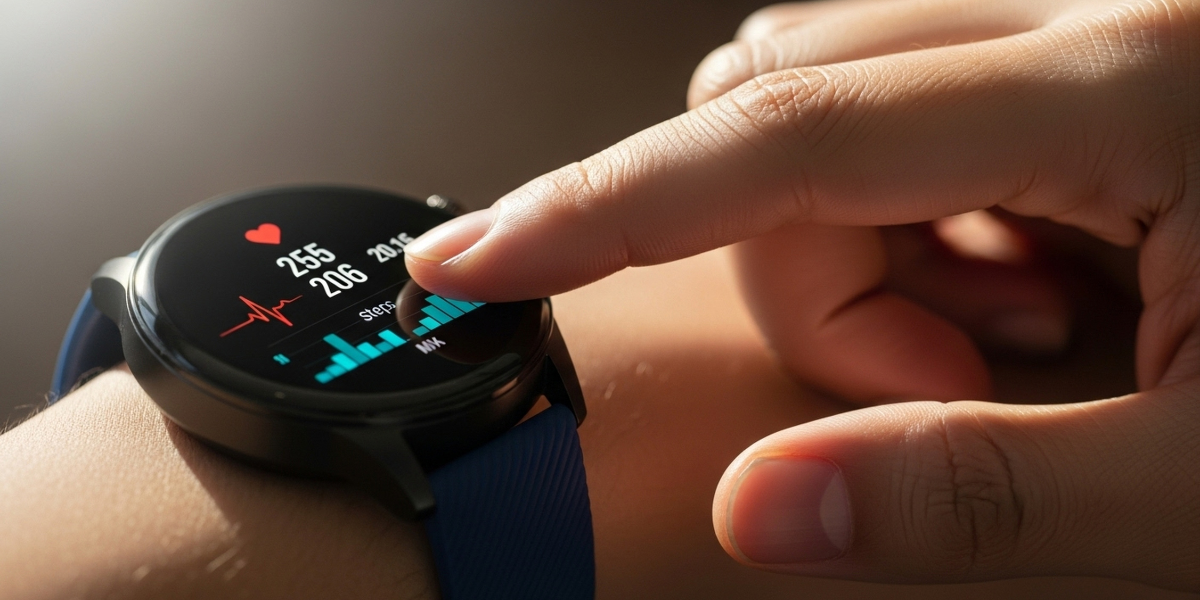
Wearable devices such as smartwatches and fitness rings can detect physiological stress through metrics like heart rate variability (HRV), sleep stages, and recovery scores. However, these tools measure outputs rather than underlying causes. A low HRV or poor readiness score indicates strain on the nervous system but does not explain why it is occurring. Interpreting this data meaningfully often requires clinical context, symptom history, and biochemical assessment to identify contributing factors and guide appropriate next steps.
Why Your Smartwatch Knows You’re Tired… but Not Why
Many people recognise the pattern: activity levels are high, sleep duration appears adequate, yet fatigue persists. Wearables are effective at confirming physiological stress, but they rarely provide insight into the mechanisms driving it. This limitation is particularly relevant for individuals experiencing persistent fatigue or chronic fatigue and post-viral illness, where symptoms often continue despite apparently “normal” lifestyle metrics.
The Gap: Wearables Promise Insight but Lack Interpretation
Heart rate variability reflects the balance of the autonomic nervous system. Reduced HRV is commonly associated with increased sympathetic (“fight or flight”) activity and reduced parasympathetic recovery. While this signal is useful, it is non-specific. Wearable devices cannot determine whether altered HRV is associated with immune activation, chronic stress exposure, nutrient insufficiency, hormonal shifts, or disrupted biochemical regulation, including impairments in methylation pathways.
Data Without Context Creates Anxiety, Not Answers
An increasing number of individuals present with heightened concern about wearable metrics while remaining disconnected from how they feel day to day. When external data suggests “recovery” but symptoms persist, trust in internal cues can diminish. Physiological data is only clinically valuable when it informs interpretation and action; without context, it can contribute to ongoing stress rather than resolution.
Connecting the Dots
Wearables identify what is happening at the surface level, such as reduced HRV or altered sleep architecture. Clinical interpretation focuses on why these patterns are present, considering broader systemic drivers of fatigue that influence nervous system balance, energy production, and resilience. In this framework, wearable data serves as an initial signal rather than a diagnostic conclusion.
Next Steps
If wearable data consistently suggests poor recovery while symptoms persist, deeper assessment may be warranted. Integrating physiological data with clinical history and targeted investigation can help clarify contributing factors and support more informed, individualised strategies rather than relying on app-based recommendations alone.
Frequently Asked Questions
What does low HRV actually indicate?
Low HRV reflects reduced variability between heartbeats and is generally associated with increased physiological stress or reduced recovery capacity. It does not identify the cause of that stress.
Can wearable devices diagnose chronic fatigue or burnout?
No. Wearables can highlight physiological patterns but cannot diagnose medical conditions. Diagnosis and interpretation require clinical context and appropriate assessment.
Why do I feel exhausted even when my wearable says I’m recovered?
Wearable recovery scores are based on limited variables and may not capture immune, hormonal, or biochemical factors contributing to fatigue.
Should I change my training or lifestyle based solely on HRV data?
HRV trends can inform decisions, but they are best used alongside symptoms, history, and professional guidance rather than in isolation.
Key Insights
- HRV is a marker of physiological stress, not a diagnosis.
- Wearable devices measure outputs but do not explain underlying drivers.
- Persistent fatigue often reflects systemic factors beyond activity or sleep duration.
- Meaningful recovery requires interpretation, not just data tracking.
Taking the Next Step
Wearable technology can be a useful starting point, but lasting improvements in energy and resilience usually depend on understanding what is driving the data patterns. At Elemental Health and Nutrition, wearable metrics are interpreted within a broader clinical framework to help identify contributing factors and guide personalised support.
If your data and symptoms don’t align, consider booking a consultation at our Adelaide clinic to move beyond tracking and begin addressing the drivers behind persistent fatigue.
References
- Shaffer F, Ginsberg JP. An overview of heart rate variability metrics and norms. Front Public Health. 2017.
- Thayer JF, Åhs F, Fredrikson M, Sollers JJ, Wager TD. A meta-analysis of heart rate variability and neuroimaging studies. Biol Psychol. 2012.
- Naviaux RK. Metabolic features of the cell danger response. Mitochondrion. 2016.
- Drust B, et al. Wearable technology in elite sport: Utility and limitations. Sports Med. 2024.
- Sook-Lei L, et al. Accuracy of wearable devices for sleep and HRV assessment. J Clin Sleep Med. 2025.
- McCraty R, Shaffer F. Heart rate variability: New perspectives on physiological mechanisms. Glob Adv Health Med. 2015.
- Pall ML. Electromagnetic fields, oxidative stress, and autonomic dysfunction. Environ Res. 2016.
- Sterling P. Allostasis and predictive regulation. Physiol Behav. 2012.
- Hall JE. Guyton and Hall Textbook of Medical Physiology. Elsevier. 2015.
- Miller AL. The methylation cycle and autonomic regulation. Altern Med Rev. 2008.
- Segerstrom SC, Miller GE. Psychological stress and the immune system. Psychol Bull. 2004.
- Montgomery GS, et al. Autonomic dysfunction in chronic fatigue states. Clin Auton Res. 2019.
- Rosenberg R, Van Hout S. The role of sleep disruption in fatigue syndromes. Nat Sci Sleep. 2014.
- Flatt T, et al. Nutrient status and cardiac electrophysiology. Nutrients. 2020.
- Bonaz B, et al. The vagus nerve in health and disease. Front Neurosci. 2018.