
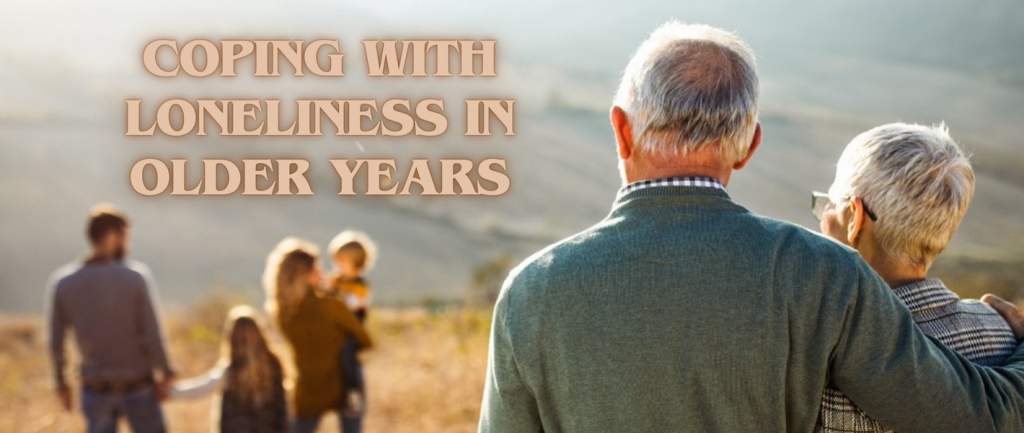
Combating Loneliness in Older Years: Simple Strategies for Community Engagement
by Rohan Smith | Functional Medicine Practitioner | Adelaide, SA
Quick Answer
Loneliness is a significant and often under-recognised issue for older adults. It is associated with increased risks to mental, cognitive, and physical health, but simple, practical strategies can help reduce loneliness and support meaningful community engagement. Addressing both social and biological contributors to loneliness may improve overall wellbeing and quality of life.
Understanding Loneliness in Older Adults
Loneliness is more than simply being alone. It is a subjective experience of lacking meaningful social connection and belonging. In older adults, loneliness commonly arises due to:
- Social isolation: Retirement, reduced mobility, or living alone may limit regular interaction.
- Loss of relationships: Bereavement, separation, or shrinking social networks can contribute to emotional isolation.
- Health challenges: Chronic illness, pain, or mobility limitations may restrict participation in social activities.
- Societal changes: Reduced community cohesion and family dispersion can weaken traditional support structures.
Consequences of Loneliness
Persistent loneliness is associated with measurable effects on both mental and physical health in older adults:
- Depression and anxiety: Loneliness is strongly associated with mood disorders and emotional distress (1–3).
- Decline in physical health: Loneliness is associated with increased cardiovascular risk, immune dysregulation, and chronic inflammation (4–7).
- Cognitive decline: Social isolation and loneliness are associated with accelerated cognitive decline and increased dementia risk (8–10).
- Reduced quality of life: Ongoing loneliness may contribute to hopelessness, low motivation, and reduced life satisfaction (11).
Simple Strategies to Combat Loneliness
1. Volunteer
Volunteering provides opportunities for meaningful interaction, shared purpose, and community contribution. Local charities, libraries, and community organisations often offer flexible roles suitable for older adults.
2. Join Clubs or Groups
Interest-based groups such as walking clubs, gardening groups, or book clubs encourage regular social contact and shared experiences.
3. Attend Community Events
Local markets, exhibitions, workshops, and social events create informal opportunities for connection and community involvement.
4. Embrace Technology
Video calls, messaging platforms, and online interest groups can help maintain connection with family and friends when mobility or distance is a barrier.
5. Explore Senior Centres
Senior centres often provide structured activities, educational programs, and social outings specifically designed to reduce isolation.
6. Adopt a Pet
Companion animals may provide emotional support, routine, and increased social interaction. Pet ownership has been associated with improved mood and reduced loneliness in some older adults (12).
7. Reach Out for Support
If loneliness becomes overwhelming, seeking support from family, friends, or qualified health professionals may help reduce emotional distress and improve coping.
The Importance of Functional Medicine in Combating Loneliness
While social strategies are essential, loneliness also interacts with biological systems involved in stress regulation, inflammation, and mental health. Loneliness has been associated with dysregulation of the hypothalamic–pituitary–adrenal (HPA) axis, chronic low-grade inflammation, and altered neurotransmitter activity (5,6,13). A comprehensive functional medicine approach considers these interconnected factors and may include personalised nutrition, stress management strategies, and targeted lifestyle support. Addressing chronic stress and its downstream effects may be particularly relevant for individuals also experiencing chronic stress and fatigue.
For broader context on emotional wellbeing and resilience, additional information is available in our mental health support strategies resources.
Frequently Asked Questions
Is loneliness the same as social isolation in older adults?
No. Social isolation refers to having limited social contact, while loneliness is the subjective feeling of lacking meaningful connection. An older adult can have frequent social contact yet still feel lonely if those interactions lack emotional depth or a sense of belonging.
Can loneliness really affect physical health as we age?
Yes. Loneliness has been associated with changes in stress hormone regulation, immune function, inflammation, cardiovascular risk, and cognitive health. Over time, these biological effects may contribute to worsening physical health and reduced resilience in older adults.
When should someone seek professional support for loneliness?If feelings of loneliness are persistent, worsening, or accompanied by low mood, anxiety, sleep disturbance, fatigue, or declining motivation, professional support may be helpful. Addressing both emotional and physiological contributors can support overall wellbeing and healthy ageing.
If feelings of loneliness are persistent, worsening, or accompanied by low mood, anxiety, sleep disturbance, fatigue, or declining motivation, professional support may be helpful. Addressing both emotional and physiological contributors can support overall wellbeing and healthy ageing.
Key Takeaways
Loneliness in older adults is a common but often overlooked contributor to mental, cognitive, and physical health challenges.
It is a subjective experience distinct from simply being alone or socially isolated.
Persistent loneliness has been associated with depression, inflammation, cardiovascular risk, and cognitive decline.
Simple, practical strategies—such as volunteering, joining groups, and maintaining regular connection—can meaningfully reduce loneliness.
Biological factors including stress physiology and inflammation may interact with social isolation, particularly in individuals with fatigue or chronic stress.
A comprehensive approach that considers both social engagement and underlying physiological health may support healthier ageing and improved quality of life.
A Whole-Person Approach to Healthy Ageing
If loneliness, social withdrawal, or emotional disconnection is affecting your energy, mood, or overall wellbeing, a personalised, whole-person assessment may help clarify contributing factors. At Elemental Health and Nutrition, we take a functional medicine approach that considers social connection, stress physiology, inflammation, and lifestyle influences as part of healthy ageing.
If you or a loved one would like support navigating these challenges, we invite you to explore whether a tailored consultation could help identify practical next steps toward greater resilience, connection, and wellbeing.
References
- Cacioppo JT, Hawkley LC. Perceived social isolation and cognition. Trends Cogn Sci. 2009 Oct;13(10):447-454. https://doi.org/10.1016/j.tics.2009.06.005
- Hawkley LC, Cacioppo JT. Loneliness matters: a theoretical and empirical review of consequences and mechanisms. Ann Behav Med. 2010 Oct;40(2):218-227. https://doi.org/10.1007/s12160-010-9210-8
- Beutel ME et al. Loneliness in the general population: prevalence, determinants and relations to mental health. BMC Psychiatry. 2017 Mar 20;17(1):97. https://doi.org/10.1186/s12888-017-1262-x
- Valtorta NK et al. Loneliness and social isolation as risk factors for coronary heart disease and stroke: systematic review and meta-analysis of longitudinal observational studies. Heart. 2016 Jul 1;102(13):1009-1016. https://doi.org/10.1136/heartjnl-2015-308790
- Hawkley LC et al. Loneliness predicts increased blood pressure: 5-year cross-lagged analyses in middle-aged and older adults. Psychol Aging. 2010 Mar;25(1):132-141. https://doi.org/10.1037/a0017805
- Steptoe A et al. Loneliness and risk of cardiovascular disease in older adults. Proc Natl Acad Sci U S A. 2013 Oct 15;110(42):E3770-7. https://doi.org/10.1073/pnas.1310957110
- Smith KJ et al. Association between loneliness and inflammatory markers: a systematic review and meta-analysis. Brain Behav Immun. 2020 Mar;85:72-80. https://doi.org/10.1016/j.bbi.2019.12.004
- Wilson RS et al. Loneliness and risk of Alzheimer disease. Arch Gen Psychiatry. 2007 Feb;64(2):234-240. https://doi.org/10.1001/archpsyc.64.2.234
- Holwerda TJ et al. Feelings of loneliness, but not social isolation, predict dementia onset: longitudinal findings from the Amsterdam Study of the Elderly (AMSTEL). J Neurol Neurosurg Psychiatry. 2014 Feb;85(2):135-142. https://doi.org/10.1136/jnnp-2012-303877
- Evans IEM et al. Social isolation, cognitive reserve, and cognition in older people. J Aging Health. 2019 Jun;31(6):995-1014. https://doi.org/10.1177/0898264317740779
- Park NS et al. The impact of social engagement on quality of life in older adults. Gerontologist. 2015 Apr;55(2):226-236. https://doi.org/10.1093/geront/gns183
- Stanley IH et al. Pet ownership and mental health in older adults: a review. Aging Ment Health. 2014;18(5):676-684. https://doi.org/10.1080/13607863.2013.875122
- McEwen BS. Protective and damaging effects of stress mediators. N Engl J Med. 1998 Jan 15;338(3):171-179. https://doi.org/10.1056/NEJM199801153380307
- Slavich GM, Irwin MR. From stress to inflammation and major depressive disorder: a social signal transduction theory of depression. Psychol Bull. 2014 May;140(3):774-815. https://doi.org/10.1037/a0035302
- VanderWeele TJ et al. Associations between religious service attendance and health outcomes: a meta-analysis. JAMA Psychiatry. 2016 Aug;73(8):845-851. https://doi.org/10.1001/jamapsychiatry.2016.1442
- Holt-Lunstad J et al. Loneliness and social isolation as risk factors for mortality: a meta-analytic review. Perspect Psychol Sci. 2015 Mar;10(2):227-237. https://doi.org/10.1177/1745691614568352