
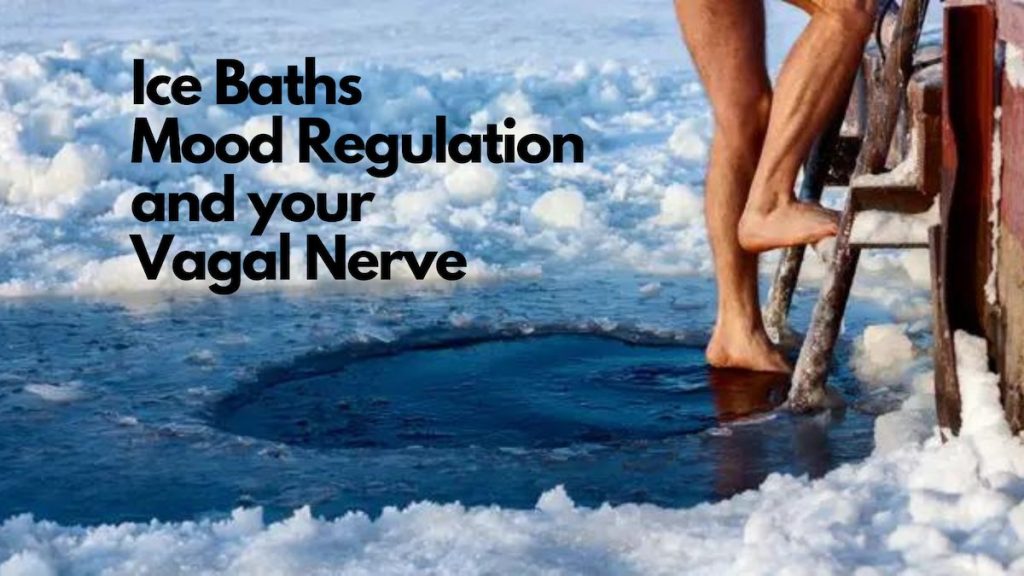
Cold Hydrotherapy in Adelaide: Vagal Tone, Dopamine, and Mental Resilience
Author: Rohan Smith | Functional Medicine Practitioner | Adelaide, SA
In the pursuit of mental clarity, emotional resilience, and physical recovery, many Adelaide residents are turning to the ancient practice of cold-water immersion. While often discussed in the context of athletic recovery, the deeper value of ice baths lies in their effects on the autonomic nervous system and neurochemistry.
At Elemental Health and Nutrition, cold exposure is approached not as a trend, but as a controlled hormetic stressor—a brief, purposeful challenge that can support nervous system regulation, immune balance, and mental resilience when applied appropriately (1,2).
Quick Answer: How Do Ice Baths Improve Health?
Ice baths act as a hormetic stressor, meaning a short, controlled stress that can trigger adaptive biological responses (1,2). Immersion in cold water—typically between 10–15 °C—activates autonomic reflexes involving the vagus nerve, stimulates catecholamine release (including dopamine and norepinephrine), and induces cold-shock proteins that support cellular and brain health (3,8).
Together, these responses may enhance vagal tone, support the body’s anti-inflammatory reflex, and contribute to improved mood, motivation, and stress resilience in some individuals (9,10). For broader context, see our approach to mental health support.
The Science: Vagal Tone and the Anti-Inflammatory Reflex
Acute cold exposure produces an initial sympathetic “cold shock” response, followed by a parasympathetic rebound as the body adapts. This pattern—sometimes described as cross-stressor adaptation—is associated with improvements in heart rate variability (HRV), a marker of autonomic flexibility (4,11).
The Cholinergic Anti-Inflammatory Pathway
Vagal signalling releases acetylcholine, which can down-regulate pro-inflammatory cytokine production in organs such as the gut and liver (9,13).
Gut–Brain Communication
Enhanced vagal tone may support gastrointestinal motility and signalling, which can be clinically relevant for symptoms such as bloating or altered bowel habits seen in conditions like dysbiosis or SIBO (11,14). Learn more in our gut microbiome overview.
Dopamine: A Sustained Neurochemical Shift
Controlled studies have shown that cold-water immersion around 14 °C is associated with acute increases in plasma dopamine and norepinephrine, with dopamine levels rising substantially above baseline in healthy subjects (3,7).
Unlike short-lived stimulant effects, this catecholamine response appears more gradual and sustained, remaining elevated for several hours following exposure (7,12). This pattern may help explain reported improvements in motivation, focus, and stress tolerance after cold exposure.
Cold Exposure and Chronic Fatigue: A Clinical Caution
From a functional medicine perspective, cold exposure is not universally appropriate, particularly for individuals with severe or long-standing fatigue.
In cases where patients exhibit features consistent with a low-energy or shutdown stress response—sometimes described using theoretical models of autonomic regulation—aggressive cold exposure may be poorly tolerated. For clinical context, see our work supporting people with chronic fatigue.
The Cell Danger Response (CDR)
When cellular metabolism is already constrained, additional stressors can occasionally provoke symptom flares rather than adaptation (15).
A Safer Entry Point
HRV can be used as a supportive monitoring tool. Persistently low HRV may suggest the need for gentler approaches, such as face dipping or cool (rather than cold) showers, before progressing to full immersion (4,8,15).
Implementation in Adelaide: A Collaborative Approach
For patients exploring cold exposure locally, referrals are sometimes made to experienced practitioners who provide structured, supervised environments. This can include collaboration with trained breath-work and cold-exposure instructors, where appropriate, to help reduce panic responses and improve tolerance during early exposure.
Frequently Asked Questions
How long should I stay in an ice bath?
For metabolic and mood-related effects, research protocols commonly use a cumulative total of approximately 11 minutes per week, divided across two to three sessions (1,7).
What temperature is best?
Beginning around 15 °C is generally recommended. The physiological “shock” appears more important than extreme cold. Shivering indicates that the adaptive response has been initiated (3,11).
Can ice baths help with brain fog?
Cold exposure increases norepinephrine and induces cold-shock proteins such as RBM3, which are involved in neuroprotection and synaptic plasticity. These mechanisms may support cognitive clarity in some individuals (8,12).
Key Insights
- Controlled cold exposure is associated with acute, sustained increases in dopamine and norepinephrine (3,7).
- Vagal stimulation plays a role in regulating the anti-inflammatory reflex (9,10).
- Cold-shock proteins may contribute to neuroprotective effects (8,12).
- Gradual progression is essential, particularly for individuals with fatigue or autonomic sensitivity (1,15).
Master Your Biology
When applied thoughtfully, cold therapy can be a valuable tool for improving resilience, mood, and nervous system regulation. For individuals managing chronic fatigue, mood challenges, or inflammatory conditions, integration should always be personalised and clinically guided.
To explore whether cold exposure is appropriate for your physiology and how it may fit within a broader functional medicine plan, book a consultation via Elemental Health and Nutrition.
References
- Søberg S et al. Altered brown fat thermogenesis and glucose metabolism during early cold acclimation in humans. Cell Rep Med. 2021 Jan 19;2(1):100184. https://doi.org/10.1016/j.xcrm.2020.100184
- Mattson MP. Hormesis defined. Ageing Res Rev. 2008 Jan;7(1):1-7. https://doi.org/10.1016/j.arr.2007.08.007
- Šrámek P et al. Human physiological responses to immersion into water of different temperatures. Eur J Appl Physiol. 2000 Mar;81(5):436-442. https://doi.org/10.1007/s004210050061
- Jungmann M et al. Effects of cold stimulation on cardiac-vagal activation in healthy participants: a randomized controlled trial. JMIR Biomed Eng. 2018;3(2):e10036. https://doi.org/10.2196/10036
- Porges SW. The polyvagal perspective. Biol Psychol. 2007 Feb;74(2):116-143. https://doi.org/10.1016/j.biopsycho.2006.06.009
- Castellani JW, Young AJ. Human physiological responses to cold exposure. Auton Neurosci. 2016 May;196:1-10. https://doi.org/10.1016/j.autneu.2016.02.009
- Mäkinen TM et al. Autonomic nervous function during whole-body cold exposure before and after cold acclimation. Eur J Appl Physiol. 2008 May;103(1):13-22. https://doi.org/10.1007/s00421-008-0676-8
- Periasamy M et al. The role of RBM3 in cold-induced neuroprotection. Front Physiol. 2017 Oct 24;8:840. https://doi.org/10.3389/fphys.2017.00840
- Tracey KJ. The inflammatory reflex. Nature. 2002 Dec 19-26;420(6917):853-9. https://doi.org/10.1038/nature01321
- Pavlov VA, Tracey KJ. The vagus nerve and the inflammatory reflex—linking immunity and metabolism. Nat Rev Rheumatol. 2012 Dec;8(12):743-54. https://doi.org/10.1038/nrrheum.2012.189
- Bonaz B et al. Vagus nerve stimulation: a new promising therapeutic tool in inflammatory bowel disease. J Intern Med. 2016 Oct;280(4):333-42. https://doi.org/10.1111/joim.12511
- Shevchuk NA. Adapted cold shower as a potential treatment for depression. Med Hypotheses. 2008;70(5):995-1001. https://doi.org/10.1016/j.mehy.2007.04.052
- Koopman FA et al. Vagus nerve stimulation inhibits cytokine production and attenuates disease severity in rheumatoid arthritis. Proc Natl Acad Sci U S A. 2016 Jul 19;113(29):8284-9. https://doi.org/10.1073/pnas.1605635113
- Browning KN, Travagli RA. Central nervous system control of gastrointestinal motility and secretion and modulation of gastrointestinal functions. Compr Physiol. 2014 Oct;4(4):1339-68. https://doi.org/10.1002/cphy.c130055
- Naviaux RK. Metabolic features of the cell danger response. Mitochondrion. 2014 May;16:7-17. https://doi.org/10.1016/j.mito.2013.08.006