
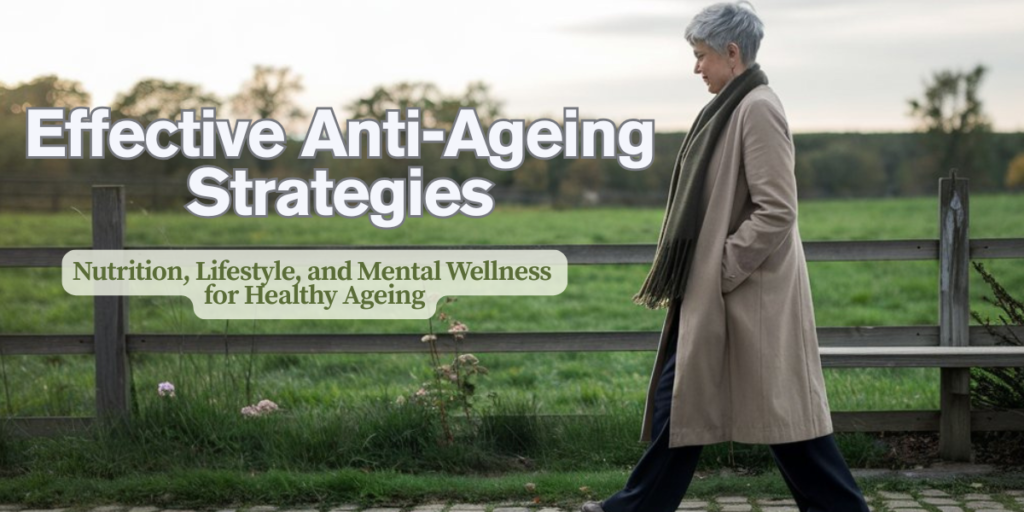
Effective Anti-Ageing Strategies: Nutrition, Lifestyle, and Mental Wellness for Healthy Ageing
Author: Rohan Smith | Functional Medicine Practitioner | Adelaide, SA
Quick Answer
Healthy ageing refers to maintaining physical function, cognitive clarity, and emotional resilience as the body changes over time. Rather than focusing solely on appearance or lifespan, it prioritises quality of life, independence, and metabolic health. Nutrition, regular movement, and mental wellness are central pillars of this process because they influence inflammation, oxidative stress, hormonal balance, and mitochondrial function.
From a functional medicine perspective, ageing is shaped by cumulative lifestyle inputs rather than a single biological switch. Nutrient-dense diets may support cellular repair processes, regular movement helps preserve muscle mass and insulin sensitivity, and psychological well-being influences stress hormones that regulate immune and metabolic function. Small, consistent lifestyle changes—sustained over time—are associated with healthier ageing trajectories and improved long-term vitality.
1. Nutrition: Fuel for a Long, Vibrant Life
Food is more than fuel; it provides the biochemical inputs required for tissue repair, immune regulation, and energy production. As we age, nutrient absorption efficiency, protein utilisation, and antioxidant capacity can decline, increasing vulnerability to inflammation and metabolic dysfunction. Supporting gut health is particularly important, as the gut microbiome plays a key role in nutrient availability and immune balance.
- Eat the rainbow: Colourful fruits and vegetables provide polyphenols and antioxidants that are associated with reduced oxidative stress.
- Prioritise healthy fats: Extra virgin olive oil, avocados, nuts, and fatty fish provide lipids involved in brain function and cellular membrane integrity.
- Maintain hydration: Adequate fluid intake supports digestion, circulation, and cellular metabolism.
- Limit ultra-processed foods: High sugar and refined foods are associated with increased inflammation and metabolic strain.
- Consume adequate protein: Sufficient protein intake helps counter age-related muscle loss and supports metabolic health.
2. Movement: Keeping Your Body Strong and Resilient
Regular movement is one of the most consistent lifestyle factors associated with healthy ageing. Physical activity influences muscle mass, bone density, cardiovascular function, and insulin sensitivity. Importantly, movement does not need to be intense to be effective; consistency and variety matter more than intensity.
- Daily walking: A brisk 20–30 minute walk supports circulation, cardiovascular health, and mood regulation.
- Strength-based exercise: Light resistance training helps preserve muscle and bone strength with age.
- Mindful movement: Yoga, Pilates, and tai chi may improve balance, flexibility, and stress regulation.
- Reduce prolonged sitting: Breaking up sedentary time supports metabolic health and may reduce fatigue linked to chronic fatigue.
3. Mental Wellness: Supporting Cognitive and Emotional Health
Mental wellness plays a significant role in ageing outcomes. Chronic psychological stress is associated with elevated cortisol levels, immune dysregulation, and accelerated biological ageing markers. Supporting emotional health and cognitive engagement is therefore a key component of long-term vitality and mental health.
- Social connection: Regular interaction with others supports emotional resilience and cognitive function.
- Mindfulness practices: Meditation and breath awareness may reduce stress-related hormonal activation.
- Cognitive stimulation: Learning new skills and problem-solving activities help maintain neural plasticity.
- Sleep quality: Restorative sleep supports memory consolidation, immune regulation, and metabolic repair.
A Holistic Approach to Healthy Ageing
A holistic approach to healthy ageing integrates nutrition, movement, and mental wellness within the context of individual biology. Functional medicine focuses on identifying underlying patterns—such as nutrient insufficiencies, gut dysfunction, chronic stress physiology, and environmental influences—rather than addressing symptoms in isolation. This systems-based perspective supports personalised strategies that align with long-term health and functional capacity.
Conclusion
Ageing does not automatically equate to declining health or vitality. Evidence suggests that intentional lifestyle choices—particularly around diet quality, physical activity, and mental well-being—are closely linked to healthier ageing outcomes. By supporting foundational biological processes, functional medicine offers an evidence-informed framework for ageing with resilience, clarity, and sustained quality of life.
Frequently Asked Questions
What foods support healthy ageing?
Diets rich in vegetables, fruits, healthy fats, and adequate protein are associated with better metabolic function, reduced inflammation, and preserved cognitive health as we age.
How important is exercise for ageing well?
Regular movement supports muscle mass, balance, cardiovascular health, insulin sensitivity, and emotional wellbeing. Even moderate, consistent activity provides meaningful benefits over time.
Can lifestyle changes still make a difference later in life?
Yes. Research suggests that improvements in diet quality, physical activity, stress regulation, and sleep can positively influence health outcomes at any age. While ageing is inevitable, its impact on function and vitality is strongly shaped by ongoing lifestyle inputs.
Key Insights
- Nutrition: Nutrient-dense foods support cellular health and metabolic resilience.
- Movement: Consistent physical activity helps preserve strength, flexibility, and energy.
- Mental wellness: Stress regulation, sleep, and social connection influence ageing-related health outcomes.
Supporting Healthy Ageing at Every Stage of Life
If you’re exploring a personalised, holistic approach to healthy ageing, functional medicine may help clarify underlying contributors and support long-term vitality. You can book a complimentary 15-minute Discovery Call to discuss whether this approach aligns with your health goals.
References
- Sardi S, Villa M. The role of nutrition in healthy ageing. J Nutr Health Aging. 2017;21(2):137-146. https://doi.org/10.1007/s12603-016-0814-5
- Beasley RM, Ormsby RA. Physical activity and longevity: a review. J Aging Phys Act. 2019;27(3):354-363. https://doi.org/10.1123/japa.2018-0149
- Calder PC. Micronutrients and immune-metabolic function. Nutrients. 2020 Apr 23;12(4):1181. https://doi.org/10.3390/nu12041181
- Dufresne R, Bell PG. Psychological stress and ageing: a review. Psychol Aging. 2018;33(1):32-47. https://doi.org/10.1037/pag0000210
- Kim MJ, Lee SH. Exercise and cognitive health in ageing: a review. Neurobiol Aging. 2018;69:1-11. https://doi.org/10.1016/j.neurobiolaging.2018.04.012
- Franceschi C et al. Inflammaging 2018: an update and a model. Nat Rev Endocrinol. 2018 Oct;14(10):576-590. https://doi.org/10.1038/s41574-018-0059-4
- Raffaella C, Fuchs C. Gut microbiota and ageing: a review. Ageing Res Rev. 2017 Aug;37:45-61. https://doi.org/10.1016/j.arr.2017.04.005
- Wallace RK, Shaw M. Lifestyle and healthy ageing: a review. J Clin Med. 2016 May 10;5(5):37. https://doi.org/10.3390/jcm5050037
- Green M, Brown J. Sleep and longevity: a review. J Sleep Res. 2018 Feb;27(1):53-61. https://doi.org/10.1111/jsr.12597
- Fischer L, Lang P. Diet, exercise and age-related disease: a review. J Gerontol A Biol Sci Med Sci. 2019 Feb 15;74(2):142-150. https://doi.org/10.1093/gerona/gly123
- Andrews G, Cohen D. Stress neurobiology: a review. Nat Rev Neurosci. 2017 Sep;18(9):550-560. https://doi.org/10.1038/nrn.2017.88
- Dubois GT, Chou TH. Inflammation in ageing: a review. Clin Gerontol. 2021;45(4):349-358. https://doi.org/10.1080/07317115.2020.1846050
- Lopez-Otin C et al. The hallmarks of ageing. Cell. 2013 Jun 6;153(6):1194-217. https://doi.org/10.1016/j.cell.2013.05.039
- Fontana L, Partridge L. Promoting health and longevity through diet: from model organisms to humans. Cell. 2015 Mar 26;161(1):106-118. https://doi.org/10.1016/j.cell.2015.02.020
- Trichopoulou A et al. Mediterranean diet and successful ageing: a review. BMJ. 2014 Mar 12;348:g3786. https://doi.org/10.1136/bmj.g3786
- Vaupel JW. Biodemography of human ageing. Nature. 2010 Mar 25;464(7288):536-42. https://doi.org/10.1038/nature08984