
MTHFR & Methylation
Genetic variants silently affecting your health?
Functional medicine decodes your methylation profile, the critical biochemical pathway controlling energy, mood, detoxification, and hormone balance, and builds a personalised plan around your genetics.
Sound Familiar?
Signs your methylation may be compromised
Methylation dysfunction doesn’t announce itself with a single symptom, it creates a pattern of seemingly unrelated issues that conventional medicine treats in isolation.
Chronic fatigue & low energy
Methylation drives cellular energy production. When it’s impaired, fatigue becomes constant and unresponsive to rest.
Anxiety, depression, or mood swings
Methylation converts nutrients into neurotransmitters. Poor methylation means serotonin and dopamine production suffers.
Chemical sensitivity
Strong reactions to perfumes, cleaning products, or medications. Your detoxification pathways are struggling.
Hormonal imbalances
PMS, estrogen dominance, or irregular cycles, methylation is essential for hormone metabolism and clearance.
Recurrent miscarriage or fertility issues
MTHFR variants affect folate metabolism, homocysteine levels, and DNA repair, all critical for healthy pregnancy.
Family history of cardiovascular disease
Elevated homocysteine from poor methylation is an independent risk factor for heart disease and stroke.
The Gap in Standard Care
Why your GP doesn’t test for MTHFR
MTHFR and methylation testing aren’t part of standard pathology. Most GPs aren’t trained in nutrigenomics and don’t recognise the pattern of symptoms that methylation dysfunction creates.
Functional medicine interprets your genetic variants in the context of your biochemistry, symptoms, and nutrient status, turning raw genetic data into a clinically actionable treatment plan.
- MTHFR C677T / A1298C variants: reducing your ability to convert folate into its active methylated form
- Elevated homocysteine: a cardiovascular and neurological risk marker driven by poor methylation
- Undermethylation patterns: low SAMe production affecting mood, motivation, and histamine clearance
- Overmethylation patterns: excess methyl groups creating anxiety, sensory sensitivity, and copper overload
- Folate trap: taking the wrong form of folate when your body can’t convert it
“Recommended by GP for MTHFR malfunctions… trusts his ever up to date knowledge, communicates in easy to understand way, ensures optimal health through passion, guidance and wellness plan.”— Jayne, Adelaide
What’s the Difference Between Undermethylation and Overmethylation?
Methylation is a biochemical process that runs billions of times per second in every cell, influencing gene expression, neurotransmitter production, detoxification, and immune function. When methylation is disrupted by genetic variants like MTHFR, it can tip in either direction: too little (undermethylation) or too much (overmethylation). These two patterns produce very different symptom profiles and require different nutritional approaches, which is why knowing your MTHFR status alone isn’t enough.
| Feature | Undermethylation | Overmethylation |
|---|---|---|
| Estimated prevalence | Approximately 45% of the population; more common | Approximately 15–20% of the population; less common |
| Neurotransmitter tendency | Lower serotonin, dopamine, and norepinephrine activity, due to reduced recycling of these neurotransmitters | Elevated methyl groups may increase dopamine and norepinephrine activity; serotonin may be normal or elevated |
| Common mood pattern | Depression (often seasonal or chronic), OCD tendencies, perfectionism, high internal drive, low motivation | Anxiety, paranoia, hyperactivity, mood swings, depression with an anxious or agitated quality |
| Response to folate | Often benefits from methyl-folate and methylcobalamin (active B12), supports the methylation cycle directly | May worsen with methyl donors, folate and methyl-B12 can increase symptoms; folate antagonists may be better tolerated |
| Histamine levels | Tends toward elevated histamine (histadelia), histamine is broken down via methylation, so reduced methylation slows clearance | Tends toward low histamine (histapenia), excess methylation may accelerate histamine breakdown |
| Associated nutrients | Low SAMe, low methionine; benefits from methionine, SAMe, B6, zinc, magnesium | Elevated SAMe; may benefit from niacinamide (B3), B6, zinc, these act as methyl buffers |
| Treatment direction | Support methylation with methyl donors; reduce dietary histamine if elevated; address nutrient co-factors | Buffer excess methylation; avoid methyl donors; support detoxification pathways; niacinamide as a key therapeutic tool |
Knowing you have an MTHFR variant is just the starting point. Taking methylfolate without knowing whether you’re an undermethylator or overmethylator can make symptoms significantly worse, particularly anxiety and mood instability. A methylation panel alongside symptom mapping identifies which direction the imbalance runs, so support is targeted rather than generic.
The Process
A structured path from confusion to clarity
No guesswork. Every step is guided by testing, clinical experience, and a deep understanding of how your body’s systems interconnect.
Map Your Pattern
A comprehensive 90-minute initial consultation to understand your full history, symptoms, lifestyle, and what’s been missed. We identify the patterns that matter.
Test What Matters
In-depth pathology interpretation that catches what others miss, plus targeted functional testing when deeper answers are needed.
Build Your Plan
A personalised treatment protocol targeting root causes, nutritional support, gut restoration, nervous system regulation, and lifestyle recalibration.
Functional Testing
What we investigate
The specific tests and pathways we examine to build your personalised methylation profile.
MTHFR Genetic Panel
C677T and A1298C variant testing, the foundation for understanding your methylation capacity.
Homocysteine Levels
A critical marker for methylation efficiency and cardiovascular risk, often elevated when methylation is impaired.
Whole Blood Histamine
Distinguishes undermethylation from overmethylation, essential for choosing the right treatment approach.
SAMe & Methylation Cofactors
B12, folate (active forms), B6, zinc, and copper, the nutrients your methylation cycle depends on.
Organic Acid Profile
Maps downstream methylation metabolites, neurotransmitter metabolism, and detoxification capacity.
Comprehensive Nutrigenomics
Extended genetic panel covering COMT, CBS, MAO, and other methylation-related genes for a complete picture.
Common Questions
MTHFR & Methylation, Frequently Asked Questions
Patient Experience
“He explains in more detail subjects like MTHFR and why that one test isn’t the whole picture.”
Linda
Patient resources
Further reading
Plain-language guides from our resource library to read alongside this page.
Ready to find answers?
Stop surviving. Start recovering.
Related reading
View all articles →
MTHFR & Methylation
The Methylation Code: Could Your Genes Be Sabotaging Your Mental Health?
MTHFR gene variants may reduce methyl…
Read article →
MTHFR & Methylation
The Hidden Link Between Methylation Pathways and Chronic Fatigue
Impaired methylation pathways, often …
Read article →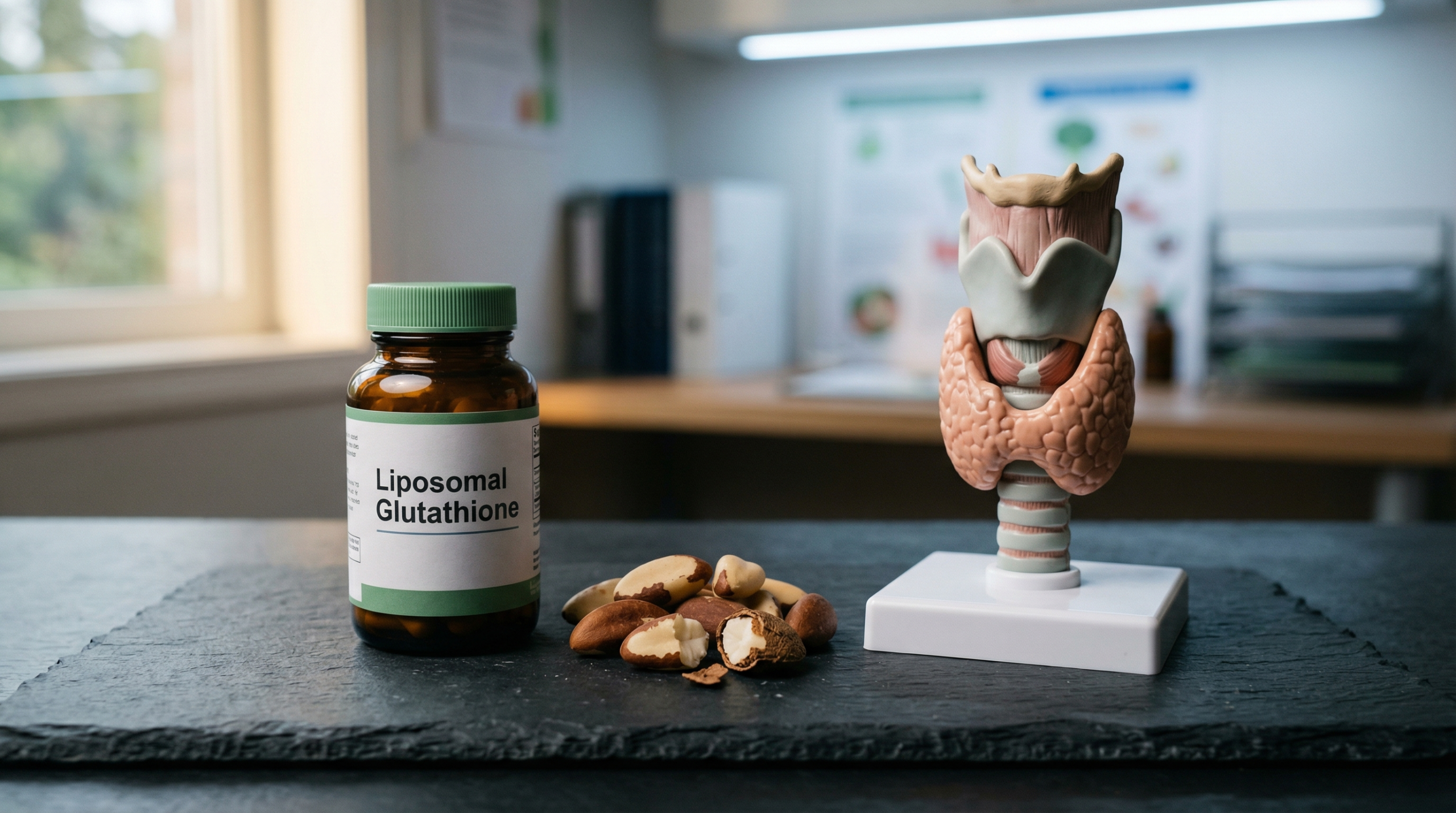
MTHFR & Methylation
Glutathione and Your Thyroid: The Master Antioxidant Behind Cellular Protection
Glutathione is the body’s prima…
Read article →